A Defunct Podcast About Design, Code, and Learning
Past Episodes

Ever hear the words "vector" and "raster," when talking about graphics, but wondered what that actually meant? In this quick episode, Sean goes over the technical differences between the two, when each image type should be used, and how to optimize them.
Feeling overwhelmed with your web design project? Too many things to keep track of? Today Sean shares the system he uses to manage projects — keeping him focused on solving client projects instead of worrying about what he's missing.
Bryan goes solo this episode and looks at a growing trend in instructional design known as the flipped classroom. He discusses not only its origins and advantages, but also its pitfalls. By the end of this brief episode you should be able to make sense of what exactly a flipped classroom is.
Recorded in a car filled with mosquitos in Maine, Sam explains how externally storing our memories let's us remember more.
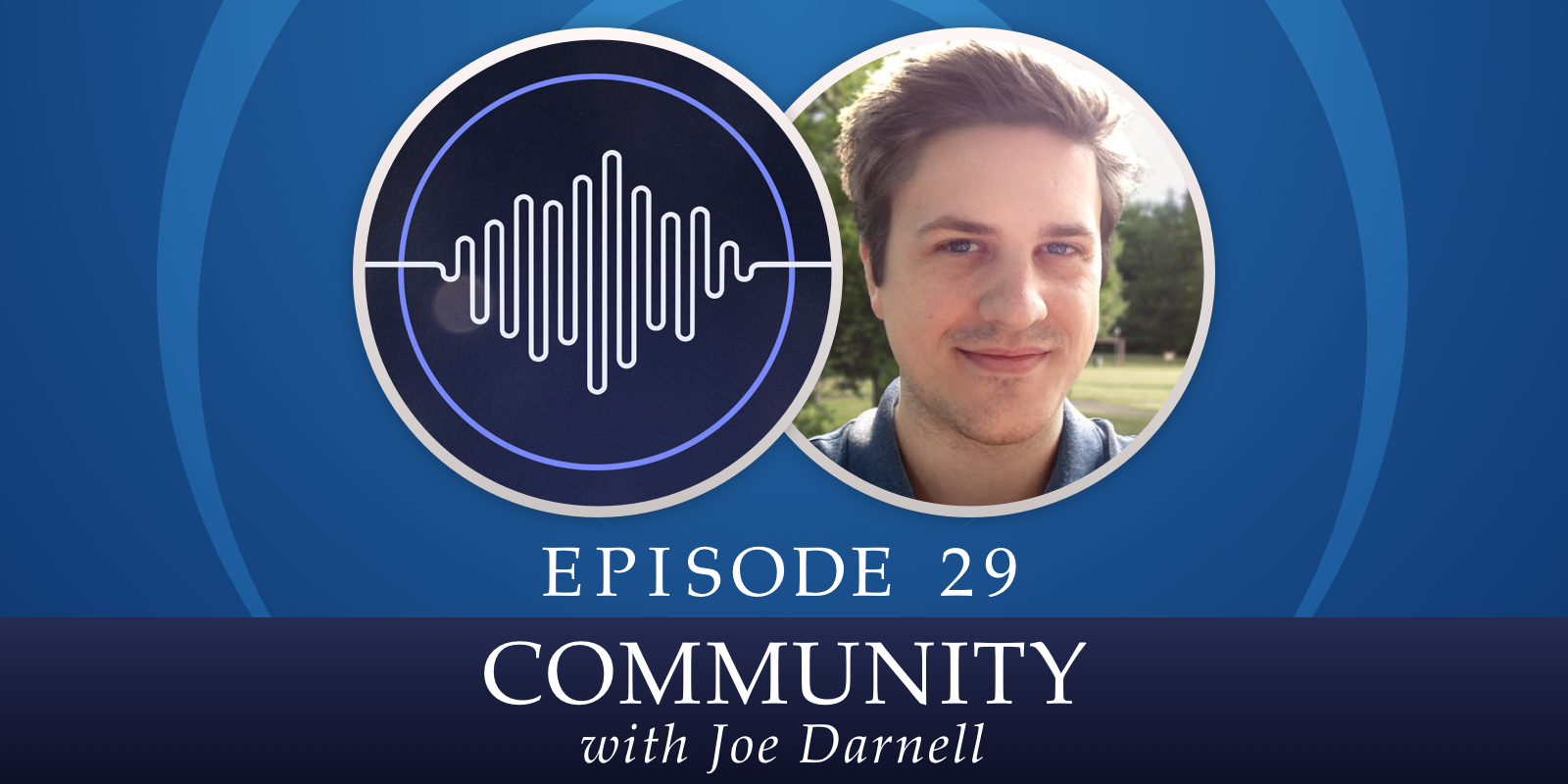
We have Joe Darnell subbing in for Bryan this week to talk about community. We look at what a community is in both the on- and offline world, and how we can use algorithms to uncover these communities.
We explore how physical fitness can help you become more mentally fit, why it's important to design your life around fitness for a healthy lifestyle, and digital solutions to tracking your activity.
After an interesting keynote for WWDC 2015, Bryan, Sam and Sean talk pick the one thing that interested them the most, and go deep into Apple News, Swift 2.0, and Apple Music.

This week we become your digital travel agents and discuss cosmopolitanism as a tool for education, the many, many, many design aspects of luggage, and the technologies we use on our journeys. Oh, and we talk about toothpaste too. So much toothpaste.

We have a full house with fellow podcasters from 3G3Q on to talk about comedy. Bryan wonders if comedy and education can mix, Sean ponders the value of Vine and Twitter as comedic platforms, and Sam is right on time.
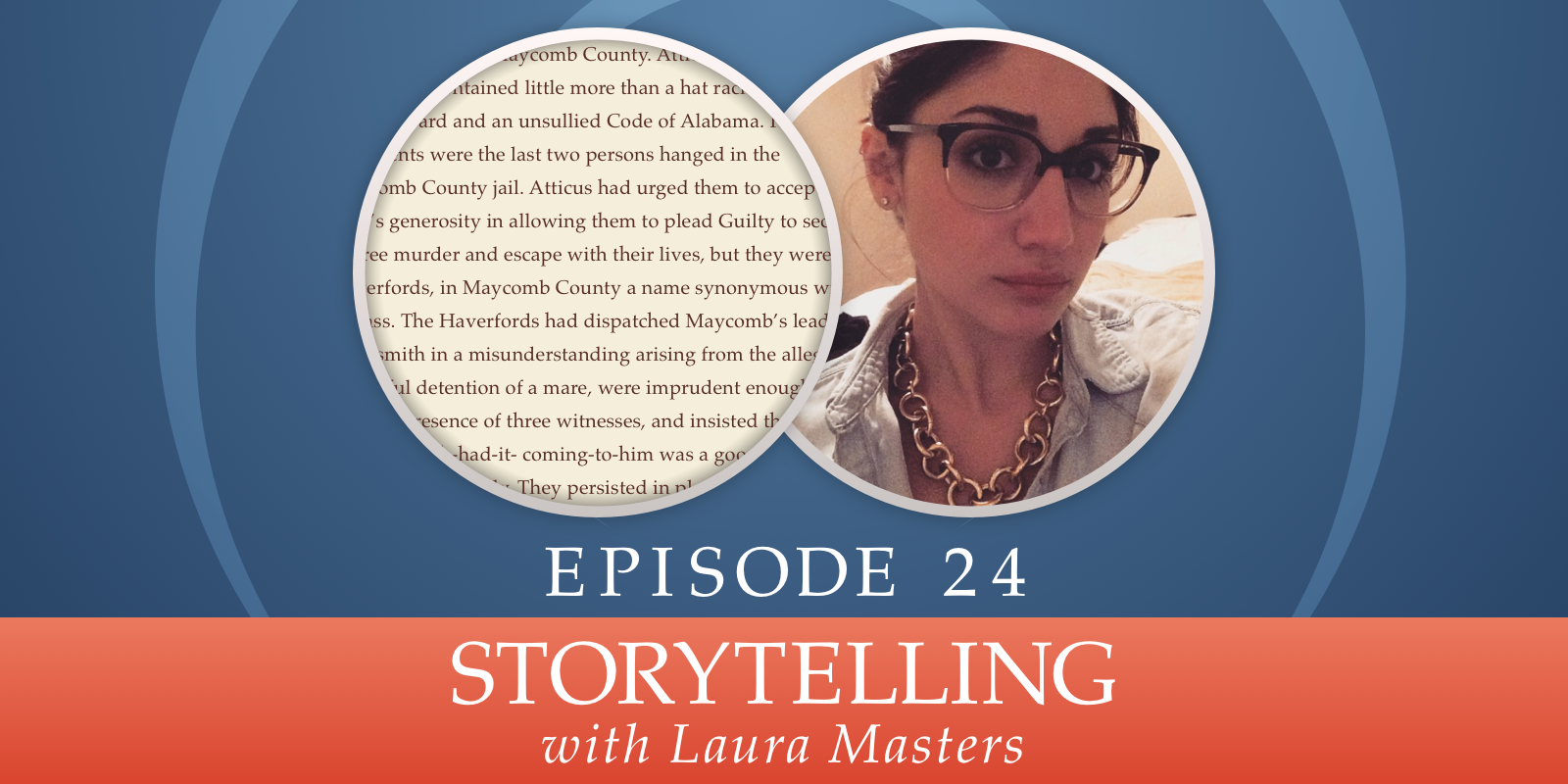
This week we are joined by Laura Masters (@lauraemasters) for a conversation on storytelling. We look at how it can be used as a tool for learning and how technology is changing the way in which we tell our stories.
Two out of the three of us talk about the Apple Watch set up, the steep learning curve for such a personalized device, and the new interactions that come with it. Then Sam talks about how developing for the Watch with only the simulator is a major hindrance.